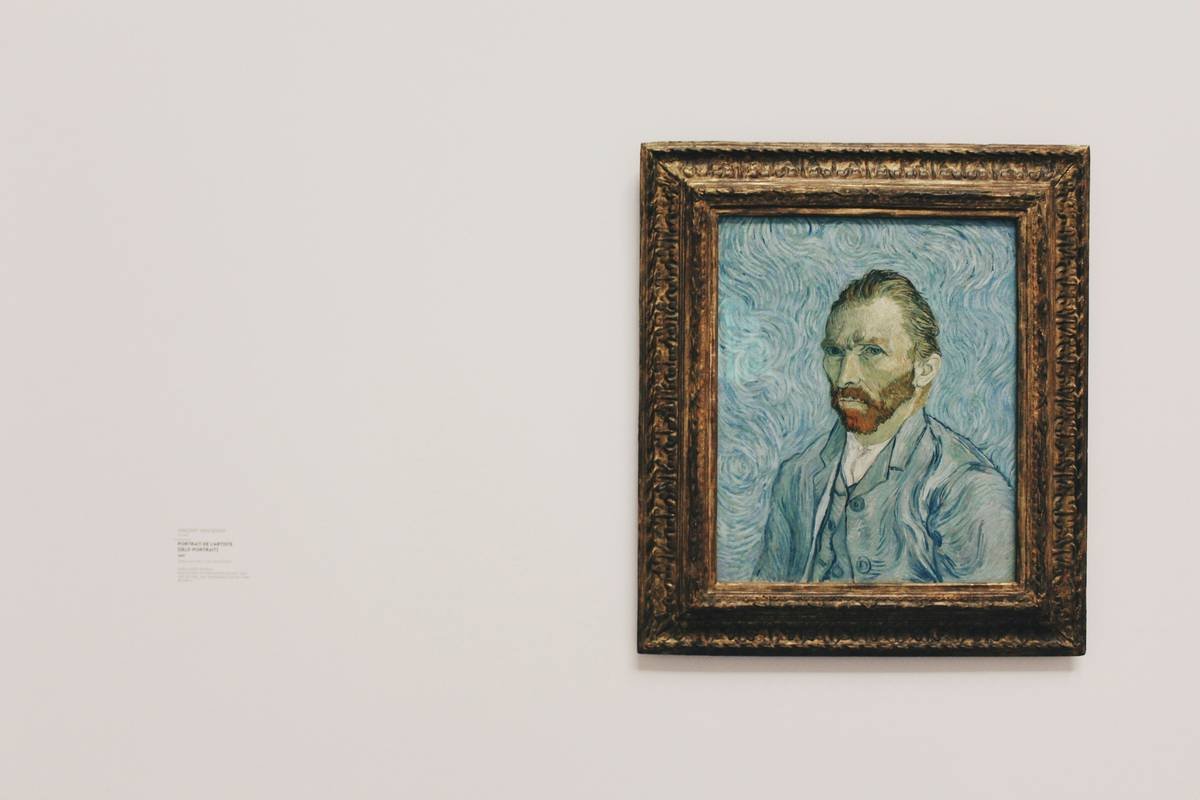
You spent weeks picking the perfect sofa. You agonized over paint swatches. But something’s still off. The walls feel sterile—like a showroom, not a home. And slapping up another framed print? That just adds clutter, not character. Here’s the fix: a digital art display screen. Not a TV masquerading as art. A purpose-built, glare-free panel that breathes life into blank spaces with rotating masterpieces, personal photos, or generative visuals that evolve with your mood.
The Hidden Flaw in Traditional Wall Decor
Physical art is static. Once hung, it fades into the background—literally and psychologically. Your eyes stop seeing it after three days. And swapping pieces? Heavy, expensive, and leaves nail holes. Even high-end prints can’t compete with sunlight-induced fading or humidity warping. Worse, they offer zero interactivity. Your space stays frozen in time while your tastes evolve. That “forever piece” starts feeling like a decorative anchor.
How to Integrate a Digital Art Display Screen Without Looking Like a Tech Bro’s Living Room
It’s not about gadgets. It’s about atmosphere. Done right, nobody notices the hardware—only the art.
Select the Right Hardware for True Visual Fidelity
A 4K monitor won’t cut it. You need an anti-glare matte screen with IPS panel tech, true color calibration, and ambient light sensors. Look for devices marketed specifically as “digital art frames”—not repurposed tablets. Matte finish kills reflections; glossy screams “office monitor.”
Curate, Don’t Populate
Random internet downloads ruin the illusion. Stick to cohesive collections: vintage botanicals, abstract expressionism, or your own travel photography edited in a consistent tone. Pro tip: Use platforms like Meural or Artgrid—they license real museum-grade works with proper aspect ratios.
Placement Beats Power Specs
Mount it where natural light hits indirectly—never opposite a window. Ideal height? Centered at 57 inches from the floor (eye level when seated). And never above a fireplace. Heat rises—and fries electronics. Plus, you’ll crane your neck like you’re watching birds.
| Display Type | Upfront Cost | Long-Term Value | Aesthetic Integration |
|---|---|---|---|
| Traditional Framed Art | $150–$1,000+ | Limited (static, degrades) | High (if curated) |
| Repurposed Tablet/TV | $200–$800 | Poor (glare, logos, UI) | Low (looks technical) |
| Dedicated Digital Art Display Screen | $500–$1,500 | High (infinite rotation, archival quality) | Seamless (frame-like bezels, auto-dimming) |

The Industry Secret: Artists Are Quietly Ditching Galleries for Digital Displays
Here’s what no one tells you: emerging visual artists are skipping physical prints entirely. Why? Shipping costs eat 40% of their margin. And limited editions sit unsold in warehouses. Instead, they’re licensing timed digital exclusives directly to frame owners—think NFT-lite but without the blockchain jargon. You get first access to new drops; they get recurring micro-royalties. It’s a silent shift toward living collections. Your digital art display screen becomes a patronage portal—not just decor, but a direct pipeline to creators reshaping visual culture. The math is simple: pay once for the hardware, then support artists continuously through optional subscriptions. No middleman. No UV damage. Just evolving beauty.
Frequently Asked Questions
Is a digital art display screen worth the investment?
Yes—if you value variety and preservation. Over five years, rotating digital art costs less than replacing sun-faded prints or buying multiple originals. Plus, your walls stay dynamic, not dated.
Can I use my tablet as a digital art display screen?
Technically yes—but don’t. Glossy screens reflect light, OS notifications break immersion, and auto-brightness ruins color accuracy. Dedicated frames solve these issues out of the box.
Do these displays work offline?
Most premium models store 8–32GB internally. Load your favorite collections via USB or SD card, and they’ll cycle seamlessly without Wi-Fi—perfect for cabins or minimalist setups.