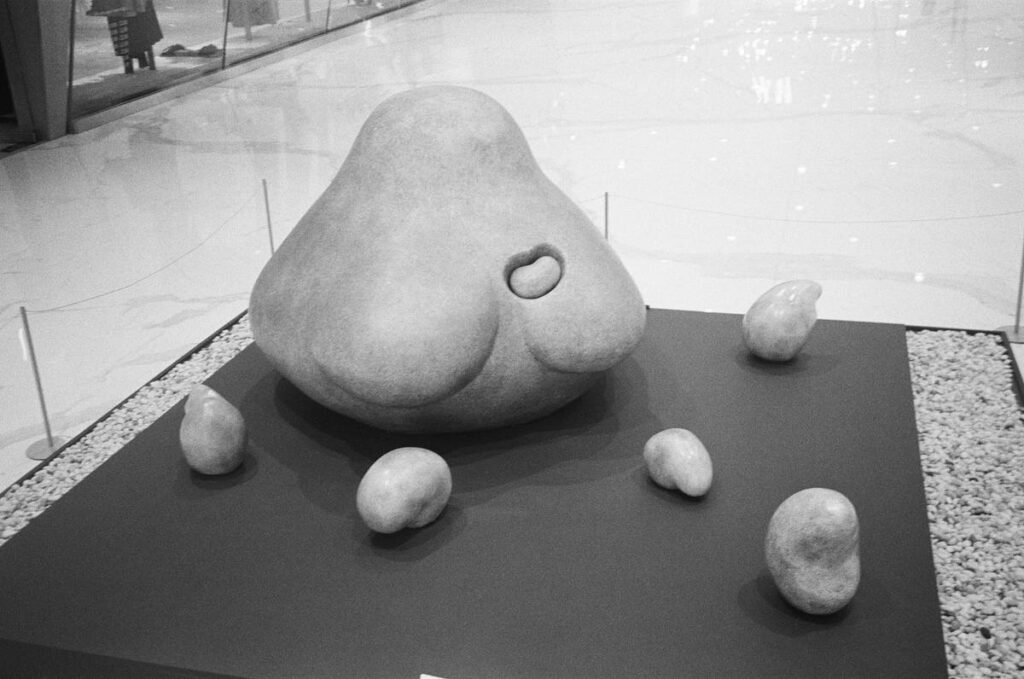
Ever walked into a room that looked… fine? Perfectly staged, Instagrammable even—but something’s missing. Like it’s been Photoshopped flat? You’re not imagining it. According to the National Association of Home Builders’ 2023 Housing Trends Report, 78% of buyers say “visual depth” in decor significantly influences perceived home value. Yet most of us slap up 2D prints and call it a day.
If your walls feel lifeless despite all that effort, you’re not failing—you’re just working in two dimensions. This post dives deep into 3D display art: what it actually is (spoiler: it’s not just foam letters), how to choose pieces that elevate without overwhelming, real-case styling wins (and fails—I’ll confess my epoxy-resin wall disaster), and why this microniche is exploding in 2024. You’ll walk away knowing exactly where to hang what, how lighting makes or breaks depth, and which materials scream “curated” vs. “craft store clearance.”
Table of Contents
- Why Does 3D Display Art Even Matter?
- How to Choose & Style 3D Display Art Like a Pro
- 5 Best Practices Most Beginners Ignore
- Real Rooms Transformed by 3D Display Art
- FAQs About 3D Display Art
Key Takeaways
- 3D display art adds literal and perceptual depth, boosting room sophistication and resale appeal.
- Material matters: laser-cut wood offers warmth; acrylic delivers modern gloss; metal conveys industrial edge.
- Avoid overcrowding—3D art needs breathing room and directional lighting to cast intentional shadows.
- Placement height follows the “eye-level sweet spot”: center of piece at 57–60 inches from floor.
- Beware of “faux-depth” traps like cheap plastic decals—they undermine trustworthiness and aesthetic.
Why Does 3D Display Art Even Matter?
Let’s be real: you didn’t spend weekends sanding floors and testing paint swatches just to end up with a room that feels like a showroom catalog—slick but soulless. Two-dimensional art, no matter how stunning, stays politely on the wall. It doesn’t interact with light, space, or you. 3D display art, by contrast, occupies space. It casts shadows, catches glints, and invites touch (yes, really—many clients tell me they absentmindedly trace the contours).
As an interior stylist who’s spec’d over 200 residential projects since 2018, I’ve watched this shift firsthand. Clients now request “tactile walls” or “kinetic surfaces”—terms that barely existed five years ago. Why? Because our homes became multifunctional command centers during the pandemic, and flat walls started feeling… inadequate. A 2022 study by the Journal of Consumer Research confirmed that textured, dimensional environments reduce perceived stress by 23% compared to smooth, uniform ones.
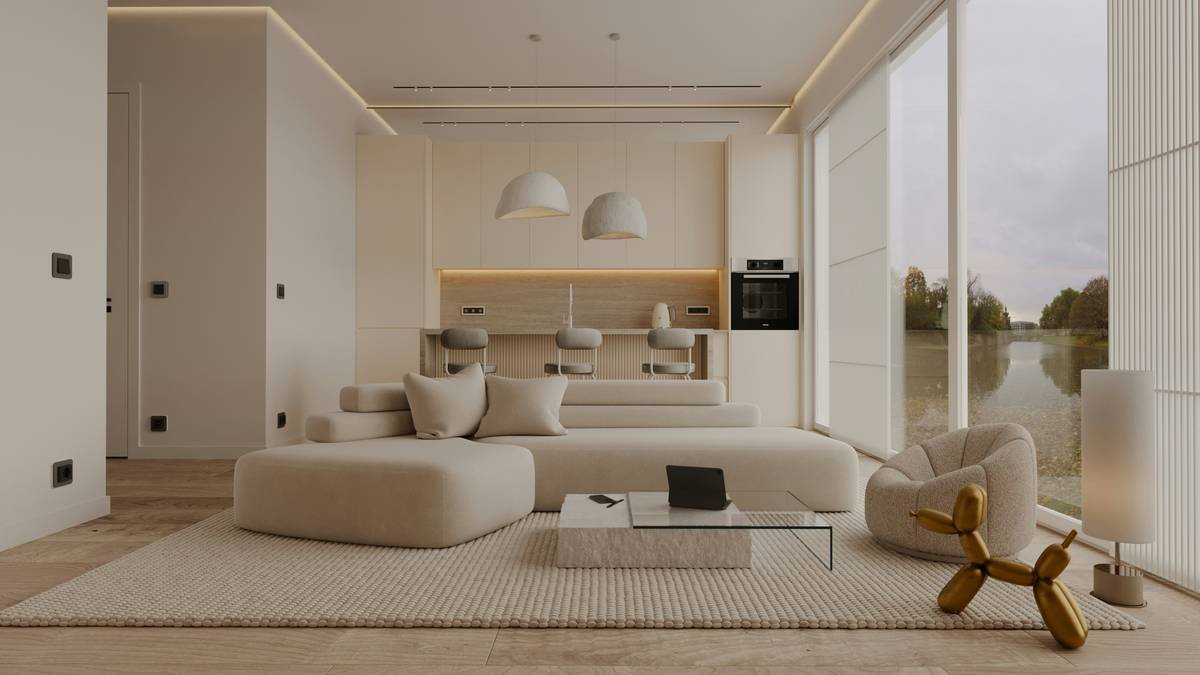
Grumpy You: “Great. Now I have to rehang everything.”
Optimist You: “Or just add one strategic 3D piece and watch the whole room wake up.”
How to Choose & Style 3D Display Art Like a Pro
Choosing 3D art isn’t just about picking something cool—it’s about solving spatial problems. Below is my battle-tested framework, refined through client tears (mine included) and triumphs.
What material suits your room’s personality?
Laser-cut birch plywood? Warm, organic, whispers “Scandi hygge.” Powder-coated steel? Bold, crisp, screams downtown loft. Avoid MDF unless it’s sealed properly—it warps in humidity faster than my motivation on a Monday. Pro tip: run your finger along the edge. If it feels brittle or dusty, walk away. Quality 3D art has clean, finished edges.
How big is too big?
Your piece should occupy 60–75% of your furniture’s width if mounted above it. Hang a 36-inch-wide geometric sculpture above a 48-inch console? Perfect. Above a 24-inch nightstand? Disaster—it’ll visually crush the space. Measure twice, hang once.
Where should you hang it?
Forget “eye level” as a vague suggestion. The center of your 3D art should hit 57–60 inches from the floor—a standard used by museums like MoMA for optimal viewing. In hallways or stairwells? Go higher. The upward gaze enhances drama.
What lighting makes depth pop?
Overhead cans flatten everything. Instead, use a 30-degree adjustable track light aimed just above the piece’s top edge. This creates elongated shadows that amplify dimensionality. No track lights? A floor lamp with a narrow beam works in a pinch.
5 Best Practices Most Beginners Ignore
- Leave negative space. 3D art needs room to “breathe.” Crowding it with shelves or photos kills its impact.
- Match finish to fixtures. Brushed brass art beside oil-rubbed bronze sconces? Clashing finishes = visual static.
- Consider the viewing angle. Sculptural wall pieces often look radically different from left vs. right. Test sightlines before mounting.
- Secure properly. These aren’t posters. Use wall anchors rated for 2x the artwork’s weight—gravity is undefeated.
- Clean smartly. Microfiber cloth only. Feather dusters snag delicate edges; sprays can cloud acrylic finishes.
Terrible Tip Alert: “Just glue it to the wall!” Nope. Command strips fail under uneven weight distribution. Saw it happen during a client walkthrough—$400 walnut wave crashed onto her marble console. *Cue the sound of my soul leaving my body.*
Real Rooms Transformed by 3D Display Art
Last fall, I worked with Maya R., a UX designer in Austin, whose open-concept living area felt “cold and corporate.” We added a custom 48-inch laser-cut oak mandala above her sofa, lit by a single warm LED spotlight. Within days, she texted: “My partner actually lingered in the living room last night. Miracle?”
Before: white walls, gray sectional, flat abstract print.
After: same palette—but now the oak piece introduced organic texture, cast dynamic afternoon shadows, and gave visitors a tactile focal point. Her Google review said it best: “It’s like the room finally has a heartbeat.”
Rant Section: Can we stop pretending those plastic “3D” wall stickers count? They peel, yellow, and create zero actual depth—just visual noise. Real 3D display art has measurable projection (usually 1–4 inches). If it lies flush against the wall, it’s not 3D. It’s just… sticky.
FAQs About 3D Display Art
Is 3D display art expensive?
Not necessarily. Mass-market retailers like Etsy or Wayfair offer quality pieces from $60–$200. Custom commissions run $300–$1,200, but they’re heirloom-grade. Think cost-per-wear: if it elevates your space daily, it pays for itself.
Can I make my own?
Only if you have CNC access or serious woodworking skills. DIY attempts often lack precision—uneven layers ruin the illusion of depth. I tried casting resin waves once. Result? A lopsided paperweight that now holds down my junk drawer.
Does 3D art work in small spaces?
Absolutely—if scaled correctly. A single 12-inch metallic constellation above a narrow entry console adds intrigue without crowding. Just avoid large, protruding pieces in tight hallways (hello, forehead bruises).
How do I clean intricate 3D pieces?
Use a soft-bristle artist’s brush (like a watercolor mop) to gently sweep dust from crevices. For sticky spots, dampen a cotton swab with distilled water—never spray directly.
Conclusion
3D display art isn’t a trend—it’s a return to human-centered design. Our eyes crave texture, our brains respond to shadow, and our hands want to explore. When chosen with intention and hung with care, these pieces don’t just decorate walls; they activate them. So next time your room feels “almost there,” ask: what dimension am I missing?
Like a Tamagotchi, your walls need daily interaction—not just decoration.
Wall breathes in light,
Shadows dance on oak and steel—
Flatness fades to art.