Your walls feel dead. You’ve hung prints, floated shelves, even splurged on “modern” canvas sets—yet the room still lacks depth, story, or soul. And it’s not your fault. Traditional decor ignores how human vision actually works. The solution? visual display art advancement of 3d—not as a gimmick, but as spatial storytelling that commands attention without screaming for it.
Why 2D Decor No Longer Cuts It
We’ve been sold flat surfaces for decades. Posters. Paintings. Even “textured” wallpaper. But here’s the reality: the human eye seeks dimensionality instinctively—it’s how we navigate the world. A flat wall competes with smartphone screens, not complements them.
And ambient lighting? It flattens everything further unless your piece casts intentional shadow play. Think about it: museums don’t just hang art—they sculpt light around it.
How to Build True 3D Visual Displays That Hold Attention
Forget slapping on a “3D” sticker. Real depth comes from layering, material contrast, and controlled negative space. Below is a breakdown of three proven approaches—not manufactured hype.
| Method | Average Cost (USD) | Perceived Depth Impact | Installation Complexity |
|---|---|---|---|
| Modular Shadow Boxes | $85–$220 | High — multiple object planes create parallax | Medium (requires precise mounting) |
| Textured Relief Panels (resin/composite) | $120–$400 | Very High — tactile + visual depth | Low (wall-mounted like a single panel) |
| Projection-Mapped Wall Art | $300–$900+ | Extreme — dynamic depth shifts over time | High (needs projector alignment + software) |
Start With Strategic Layering—Not Just Objects
Depth isn’t about stacking stuff. It’s about creating foreground, midground, and background zones within a single display. Example: a recessed shelf holding a brass sculpture (back), backed by a matte-black foam board cutout (mid), with floating acrylic rods (front) catching ambient light.
Material Contrast Drives Perceived Dimension
Mix matte with gloss. Rough wood against polished metal. Translucent resin beside opaque ceramic. Your brain interprets these contrasts as physical separation—even if the actual depth is only 1.5 inches.
The Industry Secret: Lighting Is Your Hidden Third Dimension
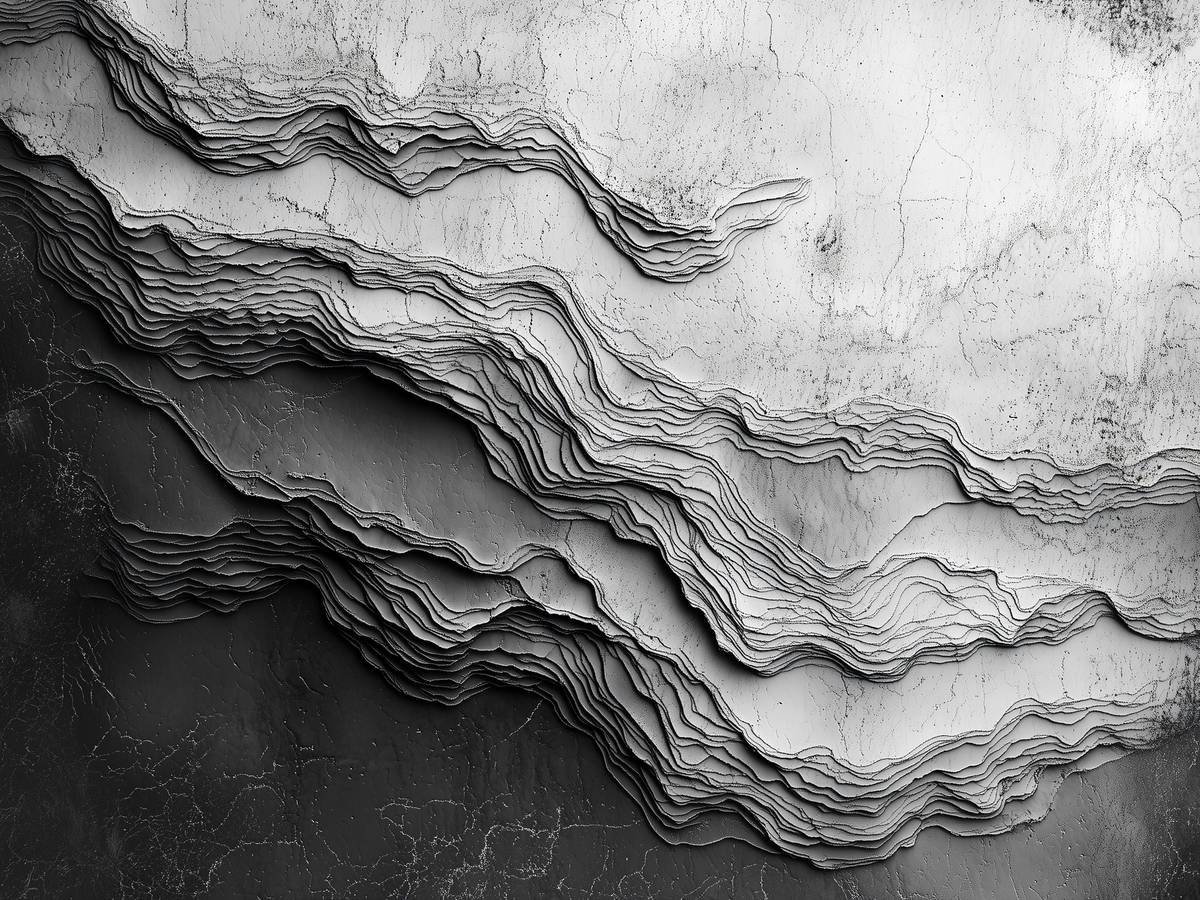
Most designers treat lighting as an afterthought. Big mistake. In high-end commercial installations—think luxury hotels or flagship stores—the angle of light defines the perceived depth more than the object itself. A 45-degree LED strip above a relief panel can double its apparent projection. But mount that same light directly overhead? The texture vanishes. The math is simple: depth = object + angle + surface response. Ignore one, and you’re back to flatland.
And—here’s what contractors won’t tell you—you don’t need smart bulbs. A $12 adjustable track head from a hardware store, aimed precisely, beats a $300 “ambient” system every time.
Frequently Asked Questions
Can I add 3D depth to existing flat artwork?
Yes. Float it 2–3 inches off the wall using standoff mounts. Add a slim LED strip above to cast natural-looking shadows behind the frame.
Does 3D wall art work in small rooms?
Absolutely—it tricks the eye into perceiving more space. Just avoid overly busy compositions; minimal layering reads as spaciousness, not clutter.
How durable is modern 3D wall decor?
Resin and composite panels last 10+ years indoors. Avoid direct sunlight on UV-sensitive materials like certain plastics or untreated woods.